
When choosing your skiing ensemble, it is quite easy to overlook ski bindings. While the items, which connect your boot to your ski, are important, they don’t have the same obvious impact as boot, gloves, or the skis themselves. Even so, each skiing discipline requires certain bindings.
In this guide, we will look at and analyze the best freestyle ski bindings on the market. These options work well for intense skiing and hold up through any tricks or spins you might perform. That is why they made our list over so many similar choices.
Read on to learn more!
Contents
Who Should Get This?
The bindings in this guide are best for freestyle skiers. You need solid gear when hitting big jumps or trying to nail down fun tricks, especially when that gear locks you into your skis. A good, reliable release is also important. The bindings below excel in both ways, providing you with an essential item for your skiing experience.
Do note that the following models are not specifically for freestyle skiers. It might seem that they only have that use, but the premium construction and quality attributes make them a good choice for just about anyone.
Top Picks of Best Freestyle Ski Bindings
Here, you’ll see a list of my top recommendations along with a quick review of each ski binding. The goal is to help you get to know the pros and cons of each product so you can make a more informed purchase decision.
1. Best Overall: Marker Jester 16 ID
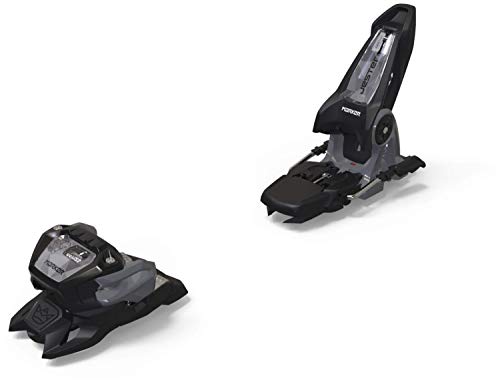

 If you want a freestyle binding that also holds up off-piste, look no further than the Marker Jester 16 ID. This strong binding isn’t just adjustable and easy to hold onto as you ride, but it also utilizes a large spring and has the durability to stand up to a lot of hard landings.
That strength comes from the strong magnesium parts that can take a lot of use season after season. The Inter Pivot heel is easy to step into as well.
What We Like:
- Spring in heel piece
- Durable and sturdy
- Versatile, works in different conditions
- Marker Sole ID technology
- Pivot heel easy to step into
- Magnesium parts add strength and power
What We Don’t Like:
- Nothing. A solid all-around freestyle binding
==> You can also get it on Evo or Utah Ski Gear or Hansen Surfboards.
2. Best for Protection: Look Pivot 18 GW


 The Look Pivot 18 GW is a bright, colorful option for skiers who want extra accident protection. This GripWalk compatible binding isn’t just sturdy as a result of the all-metal toe piece, it also offers 180-degree multi-directional protection.
Should you ever twist as you fall, the toe and heel piece both release to take pressure off of your knees. If you want a durable binding with a ton of features packed inside, this is the one for you.
What We Like:
- GripWalk compatible
- 180-degree multi-directional protection
- Toe piece and heel piece release during twisting falls
- Durable, all-metal toe piece
- More affordable than other premium options
What We Don’t Like:
- For more advanced skiers
- Flashy look not for everyone
==> You can also get it on Evo or Backcountry or Christy Sports.
3. Best for All-Mountain: Tyrolia Attack 11 GW


The Tyrolia Attack 11 GW is a well-rounded binding that excels for both all-mountain and freeskiers. If you fall into both categories, you’ll get a lot out of this sturdy device. Not only does it come with a strong metal toe, but it also utilizes a curved rubber sole that makes walking much more comfortable.
Fully GripWalk compatible, this binding also uses stiff pads to ensure it releases exactly when and how you need it to.
What We Like:
- Great for the mountain and park
- Secure toe
- 77mm metal anti-friction device
- Lightweight
- Sturdy
- Curved rubber sole
- GripWalk compatible
- Affordable
What We Don’t Like:
- Not as durable as other models
- Can wear down over time
==> You can also get it on Evo or Head or Backcountry.
How to Choose the Best Freestyle Ski Bindings
Not sure how to narrow down the choices from the crowd? Take the factors below into account during your freestyle ski binding research journey.
Skill Level
Once you know what style of binding you’re looking for, you should always choose your ski bindings based on your skill level. Beginner or intermediate skiers want to look for bindings with lower release settings, while aggressive, more advanced skiers need a much higher one.
Heavy skiers want a higher release setting as well. Newer skiers should also try to get impact-resistant materials, while speedy skiers want bindings made from lightweight metals.
DIN
Every binding comes with a DIN number that tells you its release settings. This number, which is based on attributes like height, age, and boot length, is critical because it tells how well a binding releases under pressure.
Lower numbers are better for new or intermediate skiers, while higher numbers are bet